Effortless Slow Cooker Beef Stew: Raw Beef to Tender Perfection
Few dishes evoke the warmth and comfort of home quite like a rich, hearty beef stew. While traditional methods often involve simmering over a stovetop for hours or tending a Dutch oven, the slow cooker transforms this beloved classic into an experience of unparalleled ease. Imagine stepping in from a chilly day to the aroma of a slow cooker beef stew, bubbling gently and promising a meal of meltingly tender beef and savory vegetables – all with minimal effort on your part. This isn't just a meal; it's a winter hug in a bowl, a family favorite that practically cooks itself.
The beauty of a slow cooker beef stew lies in its simplicity and the remarkable way it coaxes incredible flavor and texture from humble ingredients. It's a culinary marvel that handles the "heavy lifting," allowing you to go about your day while it transforms raw ingredients into a masterpiece of tender perfection. Whether you're a seasoned chef or a kitchen novice, this guide will walk you through creating an irresistible slow cooker beef stew that truly delivers on its promise of effortless excellence.
The Magic of the Slow Cooker: From Raw to Riveting
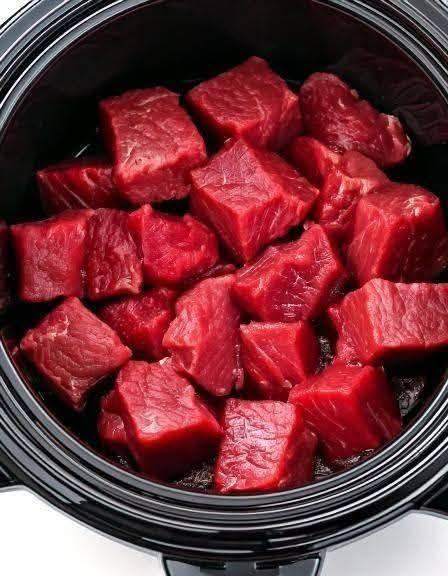
One of the most common questions surrounding slow cooker recipes, especially for meat dishes, is: "Can you put raw beef in a slow cooker?" The answer is a resounding yes! In fact, many of the best slow cooker beef stew recipes, including this approach, start precisely with raw beef cubes. This method isn't just safe; it's central to achieving that signature fall-apart tenderness without the need for additional steps.
The slow cooker works its magic by applying consistent, low heat over an extended period. This gentle cooking process is ideal for tougher cuts of meat, like chuck beef, which are traditionally used for stew. The prolonged heat slowly breaks down the collagen and connective tissues within the beef, rendering it incredibly tender and succulent. Starting with raw beef allows this transformative process to occur uniformly, from the core of each piece outwards, soaking up all the rich flavors of the stew liquid as it cooks.
Dispelling the Browning Myth (or Embracing the Choice)
Another frequent query is: "Do I have to brown stew meat before slow cooking?" This is where culinary preferences can diverge, and honestly, both approaches yield delicious results. Searing beef before slow cooking, a process that creates a caramelized crust via the Maillard reaction, definitely adds a layer of deep, complex savory flavor and a richer color to your stew. For those who prioritize this robust flavor profile and don't mind an extra step, browning is a worthwhile investment of time.
However, if your goal is truly maximum convenience and minimal fuss, you can absolutely skip the browning step without sacrificing flavor. Many exceptional slow cooker beef stew recipes are designed to build flavor directly within the slow cooker. Ingredients like robust tomato paste, a splash of red wine, a dash of Worcestershire sauce, earthy mushrooms, and aromatic fresh thyme can infuse the stew with incredible depth and umami, compensating for the absence of a seared crust. The choice is yours: convenience or an extra layer of caramelized complexity. To dive deeper into how different components enhance your stew, check out our article on Flavor Secrets: Perfect Slow Cooker Beef Stew Every Time.
The Strategic Layering for Perfection
To ensure both your beef and vegetables reach their ideal texture, the order in which you add ingredients to your slow cooker is crucial. Always place the raw beef cubes at the base of the slow cooker. This position keeps the meat closest to the heating element, allowing it to cook thoroughly and become incredibly tender. Next, pour in your cooking liquid, ensuring the beef is submerged. Finally, add your hardier vegetables, such as carrots and potatoes, on top. This layering technique allows the vegetables to cook gently in the simmering liquid and steam, preventing them from becoming overcooked or mushy while the beef reaches its peak tenderness.
For vegetables, size matters. To prevent them from disintegrating during the long cook time, cut potatoes (like baby red or Yukon golds, which hold their shape better than russets) and carrots into larger, approximately 1 to 1.5-inch chunks. Other vegetables like celery, parsnips, or even pearl onions can be added to the mix, all cut to a similar, substantial size to withstand the prolonged cooking.
Crafting Flavor Without the Fuss
The beauty of slow cooker beef stew lies in its ability to develop profound flavors with minimal hands-on effort. Beyond the choice of browning the meat, a few key ingredients and techniques ensure your stew is rich, aromatic, and deeply satisfying.
Essential Ingredients for Depth
- Quality Stock: The foundation of any great stew is its liquid. Opt for a good-quality beef stock, preferably unsalted or low-sodium. This gives you control over the final seasoning. A robust stock contributes significantly to the savory base, elevating the entire dish.
- Tomato Paste: This concentrated powerhouse adds a fantastic layer of umami and a subtle sweetness that balances the richness of the beef and other ingredients. Don't skip it!
- Red Wine (Optional but Recommended): A splash of dry red wine (like Cabernet Sauvignon or Merlot) can add incredible depth and sophistication to your stew. The alcohol cooks off, leaving behind a complex flavor profile that complements the beef beautifully.
- Aromatics: Onions and garlic are non-negotiable for building a flavorful base. They soften and meld into the stew, providing essential aromatic notes.
- Herbs: Fresh thyme and bay leaves are classic companions to beef stew. They release their herbaceous notes slowly, infusing the entire dish with their fragrant essence. Rosemary is another excellent choice.
The Thickening Secret: Stew vs. Soup
What differentiates a hearty stew from a thin soup? The luscious, thick broth. In many slow cooker beef stew recipes, a small amount of all-purpose flour is added to the cooking liquid. This flour, often whisked into a small amount of liquid or coated onto the beef (if browning), acts as a natural thickener. As the stew simmers, the flour cooks out and helps to create that desired rich, unctuous broth that clings to the beef and vegetables, making every spoonful incredibly satisfying. If you prefer a gluten-free option, a cornstarch slurry added towards the end of cooking can also achieve a beautiful thickness.
Timing is Everything: High, Low, and Troubleshooting
One of the greatest conveniences of the slow cooker is its flexibility. Whether you have an entire day or just a few hours, your slow cooker beef stew can adapt to your schedule.
Choosing Your Cook Time
"Is it better to cook stew on low or high?" The answer depends entirely on your timeline. The beauty of the slow cooker is that both settings will yield tender results, though at different paces:
- High Setting: If you're starting your stew in the mid-afternoon for an evening meal, cooking on high for 4 to 5 hours is perfect. This provides enough time for the beef to tenderize and the flavors to meld beautifully.
- Low Setting: For those busy weeknights or a truly hands-off approach, the low setting is your best friend. Start the stew before you leave for work, and let it cook for 7 to 8 hours. This extended, gentle cook time is often preferred for ultimate tenderness and flavor development.
No matter which setting you choose, resist the urge to lift the lid too often. Each time you do, you release heat and moisture, extending the overall cooking time by about 20-30 minutes. For a more detailed guide on optimizing your cooking time for the best results, read our article: Ultimate Slow Cooker Beef Stew: Cook High or Low for Tender Results.
What to Do if Your Beef is Still Tough
While slow cookers are designed to tenderize meat, there might be rare occasions when your beef stew meat still feels tough. "Why is my stew meat tough in the slow cooker?" The most common reason is simply that it hasn't cooked long enough. Beef stew meat, especially tougher cuts like chuck, requires significant time for its connective tissues to break down.
If you test your beef after the recommended cooking time and find it's not fork-tender, don't despair! The solution is straightforward: continue to cook it in the slow cooker for another 30 to 60 minutes, and then test again. It may seem counterintuitive, but extending the cooking time is usually all that's needed to achieve that desired melt-in-your-mouth texture. Always ensure your slow cooker is adequately filled (typically between half and two-thirds full) to ensure even cooking, but never overfilled.
Beyond the Pot: Serving, Storing, and Savoring
Once your slow cooker beef stew has reached its peak of tenderness and flavor, the anticipation of enjoying it is almost as good as the first bite.
Elevating Your Meal Experience
A hearty slow cooker beef stew is a meal in itself, but it truly shines when paired with a few simple accompaniments. Crusty bread or warm dinner rolls are essential for sopping up every last drop of that rich, savory broth. A crisp side salad offers a refreshing counterpoint to the stew's richness, while a glass of your favorite red wine (perhaps the same one you used in the stew!) can complete the culinary experience. For a classic touch, a dollop of sour cream or a sprinkle of fresh parsley can add an extra layer of flavor and visual appeal.
The Gift of Leftovers and Freezer-Friendly Meals
One of the most delightful aspects of slow cooker beef stew is that it often tastes even better the next day. As it rests, the flavors have more time to meld and deepen, creating an even more harmonious and intense profile. This makes it an ideal candidate for meal prepping. Store leftovers in an airtight container in the refrigerator for 3-4 days, and simply reheat gently on the stovetop or in the microwave.
Moreover, beef stew is an excellent freezer meal. Portion cooled stew into freezer-safe containers or bags and store for up to 2 months. It's a thoughtful gesture for new parents, friends recovering from illness, or simply a convenient solution for those busy evenings when you need a comforting meal in a flash. Just thaw overnight in the refrigerator and reheat thoroughly.
From the moment you toss in raw beef and fresh vegetables to the final, soul-satisfying spoonful, the slow cooker transforms the humble beef stew into an effortless culinary triumph. It's a testament to the power of low-and-slow cooking, delivering a dish that is rich in flavor, incredibly tender, and wonderfully comforting. So, embrace the ease, savor the aroma, and enjoy the unparalleled satisfaction of an effortless slow cooker beef stew that truly goes from raw ingredients to tender perfection with minimal fuss and maximum flavor.
