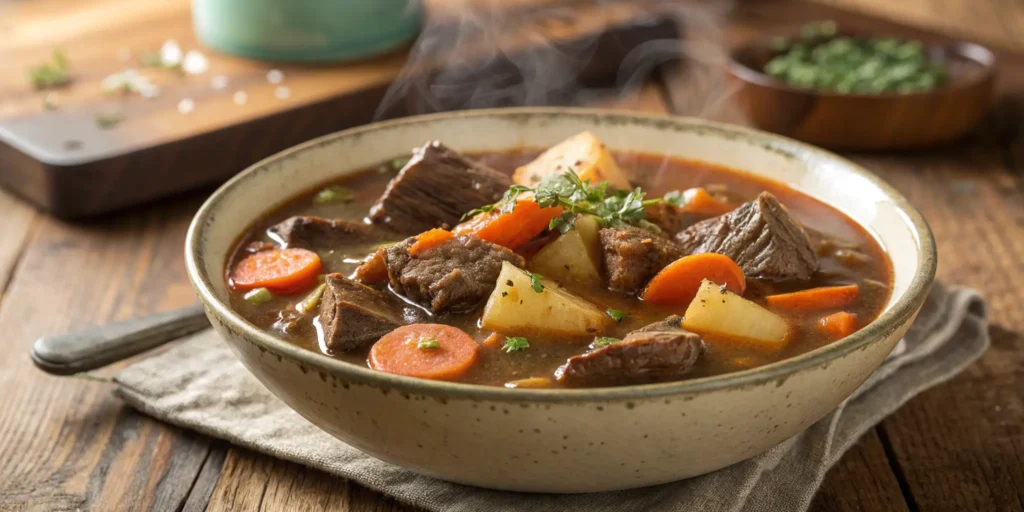
Flavor Secrets: Perfect Slow Cooker Beef Stew Every Time
There are few dishes as universally comforting and satisfying as a hearty beef stew. As winter nights draw in or when you simply crave a meal that wraps you in warmth from the inside out, a robust beef stew always tops the list. While traditional stovetop methods or a trusty Dutch oven can certainly deliver, the slow cooker elevates this classic to new heights of ease and flavor. Forget the constant stirring and tending; with a slow cooker, you unlock a world where rich, savory broths and fall-apart tender beef practically make themselves. This guide will reveal the flavor secrets and techniques to ensure your
slow cooker beef stew is perfect every single time, promising a truly unforgettable family meal.
The Magic of the Slow Cooker: Effortless Flavor Development
The true genius of the slow cooker lies in its ability to transform simple ingredients into something extraordinary with minimal effort. It's the ultimate kitchen workhorse, allowing you to "set it and forget it," while it slowly coaxes out deep, complex flavors. This hands-off approach makes it an ideal choice for busy weeknights or lazy Sunday afternoons when you want a gourmet-quality meal without the constant fuss.
One of the most frequent questions regarding slow cooker recipes is whether you can put raw beef directly into the appliance. The answer is a resounding *yes*! This is precisely how many of the best slow cooker beef stew recipes begin. The beauty of this method lies in the strategic layering. By placing your cubed beef at the base of the Crock-Pot, closest to the heating element, it gets the most direct heat, ensuring it cooks down into meltingly tender perfection. Your other vegetables, like carrots and potatoes, are then added on top. This gentle cooking environment allows them to become soft without turning into an unappetizing mush, maintaining their texture and integrity. For a deeper dive into this effortless technique, check out our article on
Effortless Slow Cooker Beef Stew: Raw Beef to Tender Perfection.
The slow cooker's consistent, low heat is also a game-changer for flavor development. Over hours, the ingredients simmer together, allowing their essences to meld and deepen. The robust meaty flavors from the beef infuse into the broth, which in turn saturates the vegetables, creating a harmonious and incredibly rich final dish.
Flavor Foundations: Crafting a Rich and Savory Stew
Building a phenomenal slow cooker beef stew isn't just about throwing ingredients in a pot; it's about understanding how to layer flavors to create a truly irresistible dish.
Browning Beef: To Sear or Not to Sear?
A common debate among stew aficionados is whether to brown the stew meat before slow cooking. While searing meat caramelizes its surface, creating a desirable dark crust that contributes a rich, savory depth – known as the Maillard reaction – it is *not strictly necessary* for a delicious slow cooker beef stew. The convenience of simply adding raw beef to the pot is a major draw for many.
However, if you choose to skip the browning step, you'll want to intentionally boost your stew's flavor profile through other powerful ingredients. This is where the magic of concentrated flavors comes in:
*
Tomato Paste: A small amount adds a rich, umami depth and a subtle sweetness that balances the savory notes. It's a cornerstone for stew flavor.
*
Red Wine: A dry red wine contributes acidity and a fruity complexity, deglazing any fond (browned bits) if you *do* sear, or simply enriching the broth if you don't.
*
Worcestershire Sauce: This fermented condiment offers a unique blend of savory, tangy, and sweet notes, adding a mysterious depth.
*
Mushrooms: Fresh or dried, mushrooms bring an earthy, umami character that complements beef beautifully.
*
Fresh Thyme: Herbs are essential. Fresh thyme, rosemary, or bay leaves infuse the stew with aromatic freshness throughout the long cooking process.
*
Flour: Often tossed with the raw beef or whisked into the cooking liquid, flour helps to thicken the broth, creating that luxurious, gravy-like consistency that differentiates a stew from a soup.
Beyond these flavor boosters, the quality of your stock makes an enormous difference. Always opt for a good-quality, unsalted, or low-sodium beef stock. This allows you to control the overall saltiness of your stew, ensuring it's perfectly seasoned rather than overly salty.
Vegetable Strategy: Preventing Mushiness and Maximizing Taste
The vegetables in your
slow cooker beef stew are just as important as the beef itself. They add bulk, nutrition, and textural contrast. However, they can easily turn to mush if not managed correctly in the slow cooker's long, moist environment.
*
Cut Size Matters: To prevent your vegetables from disintegrating, cut them into larger pieces than you might for a stovetop stew. Think substantial chunks of carrots and potatoes that can withstand hours of simmering.
*
Potato Choice: Not all potatoes are created equal for slow cooking. Russet potatoes, while great for mashing, tend to break down and fall apart in the slow cooker, making your stew cloudy. Instead, opt for sturdier varieties like baby red potatoes or Yukon Golds. These hold their shape much better, offering that satisfying bite.
Mastering the Cook: Timing and Troubleshooting for Tender Beef
The beauty of the slow cooker is its flexibility, but understanding cooking times and how to troubleshoot can elevate your results.
High vs. Low Heat: When to Choose Which
The slow cooker offers two primary settings: high and low. The choice depends entirely on your schedule:
*
High Setting: If you're starting your stew in the mid-afternoon for a Sunday dinner, the high setting is your friend. It typically cooks the stew in about four to five hours, delivering a delicious meal just in time for supper.
*
Low Setting: For those preparing a weeknight dinner, the low setting is perfect. Start your stew before you head to work, and let it simmer for seven to eight hours. You'll return home to the irresistible aroma of a perfectly cooked meal, ready to serve.
Both settings will yield wonderfully tender beef, so choose the one that best fits your daily routine. For more detailed guidance on cooking times and settings, refer to our article,
Ultimate Slow Cooker Beef Stew: Cook High or Low for Tender Results.
The Tender Test: What to Do if Your Meat is Still Tough
Beef stew meat should always cook up meltingly tender in a slow cooker. If you find your beef is still tough after the recommended cooking time, don't despair and *don't assume it's overcooked*. Counter-intuitively, tough beef in a slow cooker often means it simply needs *more time*. Continue to cook the stew in the slow cooker for another 30 to 60 minutes, then test again. The connective tissues in the beef require sufficient time at a low temperature to break down completely, transforming chewy cuts into succulent, fall-apart morsels. Patience is key!
Beyond the Basics: Elevating Your Slow Cooker Beef Stew Experience
A truly great slow cooker beef stew offers more than just a delicious meal; it provides convenience and versatility that few other dishes can match.
The Power of Leftovers
Like many braised dishes,
slow cooker beef stew tends to taste even better the next day. The flavors continue to meld and deepen as it rests, creating an intensified and more harmonious profile. This makes it an excellent candidate for meal prepping.
Freezer Friendliness
Beef stew is an ideal freezer meal. It freezes beautifully for up to two months, providing a convenient solution for busy fall and winter months. Portion it out into freezer-safe containers for quick, hearty meals. It's also a thoughtful gesture for new parents or friends recovering from surgery, offering a nourishing, ready-to-heat meal.
Serving Suggestions
While your slow cooker does the heavy lifting, remember to complete the experience with a few simple additions. A crusty bread for sopping up all that rich broth is non-negotiable. A glass of your favorite red wine perfectly complements the robust flavors of the stew, and a crisp side salad offers a refreshing counterpoint to the hearty meal. For an extra touch of freshness, stir in a handful of fresh parsley or chives just before serving.
My Insights: The Art of the Perfect Cut and Finishing Touches
For the best results, opt for beef chuck roast, cut into 1.5-inch cubes. This cut has the right amount of marbling and connective tissue to become incredibly tender and flavorful during slow cooking. Don't be afraid to experiment with other aromatics like leeks or parsnips for added complexity. Also, consider adding a splash of balsamic vinegar or a squeeze of lemon juice at the very end. These acidic elements can brighten the stew's flavor, making it truly pop.
Conclusion
Perfecting your
slow cooker beef stew is a rewarding culinary journey that combines convenience with incredible flavor. By understanding the nuances of ingredient preparation, strategic layering, cooking temperatures, and a few troubleshooting tips, you can consistently achieve a stew that is rich, hearty, and boasts meltingly tender beef every time. Embrace the magic of the slow cooker, allowing it to transform simple ingredients into a dish that warms the body and soul, becoming a cherished favorite in your recipe repertoire.