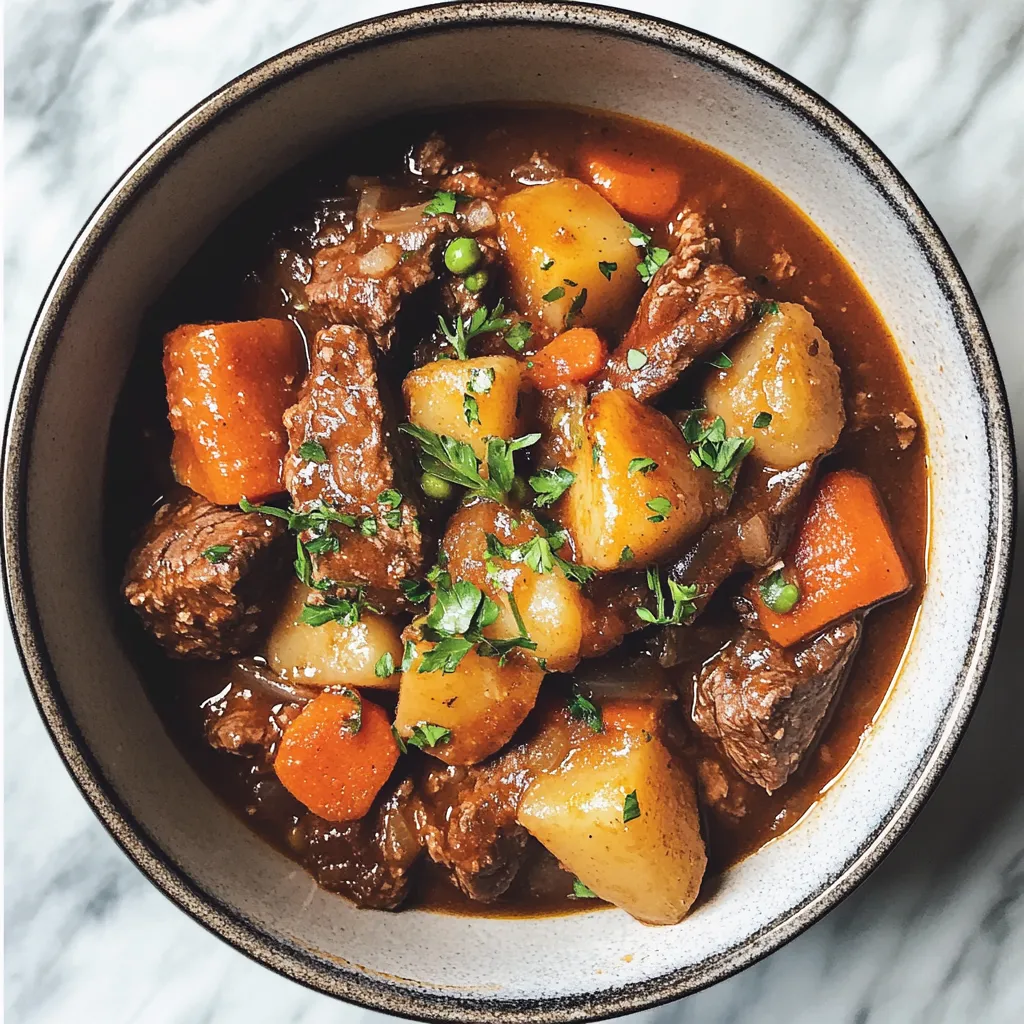
Ultimate Slow Cooker Beef Stew: Cook High or Low for Tender Results
There’s nothing quite like a steaming bowl of hearty beef stew to chase away the chill of a cold day. It’s the quintessential comfort food, a culinary hug that warms you from the inside out. While traditional stew recipes often involve meticulous stovetop simmering or Dutch oven management, the slow cooker revolutionizes this classic, transforming it into an effortlessly delicious meal perfect for busy weeknights or leisurely weekend dinners. Our ultimate
slow cooker beef stew promises meltingly tender beef, rich, flavorful broth, and perfectly cooked vegetables, all with minimal hands-on effort.
The Foundation of Flavor: Mastering Beef and Broth
The secret to an unforgettable slow cooker beef stew lies in the quality of your ingredients and understanding how the slow cooker works its magic. The beauty of this method is its forgiving nature, consistently delivering tender results that might seem daunting with other cooking techniques.
Can You Put Raw Beef in a Slow Cooker? Absolutely!
One of the most common questions about slow cooker beef stew is whether raw beef can be directly added to the appliance. The answer is a resounding yes! This convenience is a cornerstone of the slow cooker's appeal. For optimal results, place your cubed beef at the base of the Crock-Pot. This strategic placement ensures the beef sits closest to the heating element, allowing it to cook gently and consistently, resulting in that coveted fall-apart tenderness. Vegetables, which cook faster and require less direct heat, can then be layered on top, guaranteeing they emerge soft but not mushy.
To Brown or Not to Brown: A Flavorful Dilemma
The debate over browning stew meat before slow cooking is a hot one among home cooks. Searing beef develops a caramelized crust through the Maillard reaction, which contributes a deep, savory, umami-rich element to the stew. This initial step undeniably adds a layer of complex flavor that many find indispensable.
However, if time is of the essence or you simply prefer a truly "set it and forget it" approach, browning is not strictly necessary for a delicious
slow cooker beef stew. Modern slow cooker recipes, like ours, compensate for the absence of searing by incorporating powerful flavor boosters. Ingredients such as concentrated tomato paste, a splash of red wine, a dash of Worcestershire sauce, earthy mushrooms, and aromatic fresh thyme work synergistically to build a robust and deeply satisfying flavor profile. Furthermore, incorporating a small amount of flour (often tossed with the beef or whisked into the cooking liquid) is crucial for creating that thick, luxurious broth that truly distinguishes a stew from a soup. This creates a rich base that clings to every ingredient, enhancing the overall experience.
Why is My Stew Meat Tough? And How to Fix It!
If your beef stew meat turns out tough in the slow cooker, don't despair! This is a common issue with a simple solution: it just needs more time. Beef stew meat, typically cuts like chuck roast, is rich in collagen and connective tissue. These tough fibers require extended periods of low, moist heat to break down and transform into succulent, gelatinous tenderness. If your beef isn't fork-tender after the recommended cooking time, simply continue to cook it for another 30 to 60 minutes, then test again. Trust the process – patience is key to achieving that melt-in-your-mouth texture.
High or Low? Choosing Your Perfect Cook Time
One of the most versatile aspects of cooking slow cooker beef stew is the ability to adjust your cooking time based on your schedule. Whether you have an entire day or just a few hours, the slow cooker offers flexibility without compromising on flavor or tenderness.
The Benefits of Low and Slow
Cooking on the "low" setting for 7-8 hours is often considered the gold standard for slow cooker beef stew. This extended, gentle heat allows for the most thorough breakdown of connective tissues in the beef, resulting in unparalleled tenderness. It also gives flavors ample time to meld and deepen, creating a more complex and harmonious stew. This setting is ideal for those who want to prep their stew in the morning before heading to work and come home to a delicious, ready-to-eat dinner. The longer cook time on low is also more forgiving; if you're delayed by an hour or so, your stew won't overcook or dry out easily.
High Heat for Faster Feasts
If you're starting your stew in the mid-afternoon for a Sunday dinner or need a quicker turnaround, the "high" setting is your friend. Cooking on high for 4-5 hours significantly reduces the cooking time while still producing tender beef. While the beef may not achieve the absolute melt-in-your-mouth quality of a low-and-slow cook, it will still be delightfully tender and flavorful. This option is perfect for last-minute meal planning or when you simply can't wait to dig into that comforting bowl of stew. Regardless of the setting chosen, the slow cooker ensures consistent heat distribution for reliable results.
Beyond the Beef: Crafting a Hearty and Flavorful Vegetable Medley
While beef is the star, the supporting cast of vegetables and aromatics is equally crucial for a well-rounded and deeply satisfying slow cooker beef stew. The right combination and preparation can elevate your stew from good to unforgettable.
The Perfect Potato and Vegetable Selection
The choice and preparation of your vegetables can make or break your stew. For potatoes, varieties like *baby red potatoes* or *Yukon golds* are highly recommended. They hold their shape remarkably well during the long cooking process, maintaining a pleasing texture rather than breaking down into mush, which can happen with starchier russet potatoes. When it comes to carrots and other root vegetables, remember this crucial tip: *cut them into larger pieces*. Vegetables cook down significantly in the slow cooker, and larger chunks ensure they remain distinct and tender without becoming overcooked or disintegrating. Consider adding other robust vegetables like celery, parsnips, or even sweet potatoes for added depth and nutrition. More delicate vegetables, such as peas or green beans, can be stirred in during the last 30 minutes of cooking to retain their vibrant color and fresh texture.
Layering Aromatics and Flavor Boosters
The success of a slow cooker beef stew also hinges on a thoughtful layering of flavors. Beyond tomato paste, red wine, and Worcestershire sauce, don't underestimate the power of aromatics. Onions, garlic, and fresh herbs like thyme, rosemary, or bay leaves are essential. Good-quality beef stock forms the very foundation of your stew, so always opt for unsalted or low-sodium varieties. This allows you to control the seasoning precisely, preventing an overly salty result. A secret weapon for enhancing depth? A small amount of balsamic vinegar or even a touch of soy sauce (if not using Worcestershire) can add an extra layer of umami and brightness, balancing the richness of the stew.
The Magic of Leftovers and Freezer-Friendly Goodness
One of the most delightful aspects of slow cooker beef stew is its ability to taste even better the next day. Like lasagna, the flavors in beef stew intensify and meld further after sitting overnight, making leftovers a highly anticipated treat.
Enhanced Flavors and Meal Prep Potential
The time allows all the individual ingredients to truly get to know each other, deepening the complexity of the broth and thoroughly saturating the vegetables with all the savory goodness. This characteristic makes slow cooker beef stew an ideal candidate for meal prepping. Cook a large batch on the weekend, and you'll have delicious, ready-to-reheat meals throughout the week.
Freezing for Future Feasts
Beef stew also freezes beautifully, making it a fantastic "cook once, eat twice (or thrice)" option. Portion leftover stew into airtight, freezer-safe containers or bags once completely cooled. It can be stored in the freezer for up to two months, providing a convenient and comforting meal for those extra busy days, unexpected guests, or simply when you need a little pick-me-up during the colder months. Thaw overnight in the refrigerator and gently reheat on the stovetop or in the microwave until piping hot.
Serve your ultimate slow cooker beef stew with a crusty loaf of bread for sopping up every last drop of that rich broth, perhaps a simple side salad to cut through the richness, and a glass of red wine for a truly complete and satisfying meal.
Conclusion
The ultimate slow cooker beef stew is more than just a meal; it's an experience of effortless comfort and deep satisfaction. By understanding the nuances of cooking beef raw, the optionality of browning, the flexibility of high or low cooking, and the strategic selection and preparation of supporting ingredients, you unlock the full potential of your slow cooker. This hearty, flavorful dish is not only easy to prepare but also promises even better leftovers and convenient freezer storage, making it a perfect addition to any cook's repertoire. So, embrace the simplicity and deliciousness of the slow cooker, and treat yourself and your loved ones to a bowl of this ultimate beef stew – a guaranteed winner every time.